The Challenge
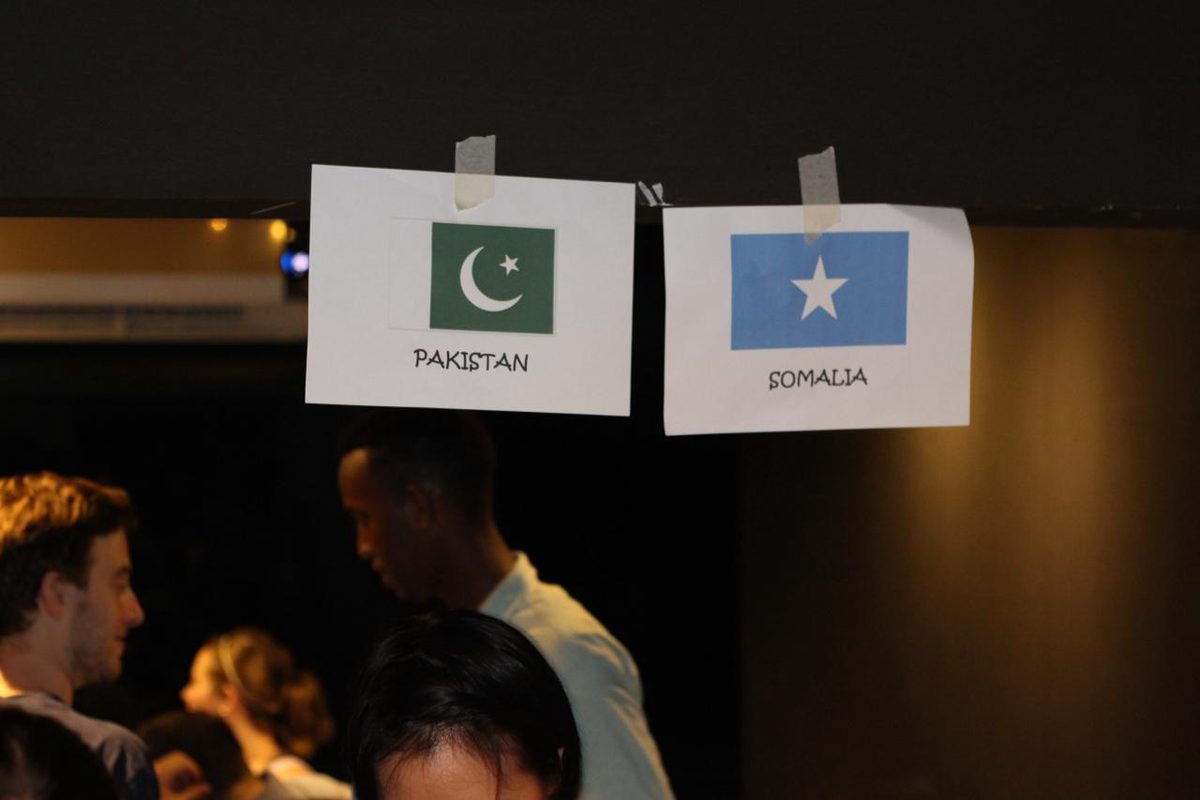
Urban refugees and asylum seekers in Bangkok often faced limited opportunities to earn income, connect with the wider community and present their cultures on their own terms. The Intercultural Bazaar was designed as a practical, community-led initiative that would create a platform for refugee communities to showcase their food, crafts and cultural traditions while strengthening connections with Bangkok's wider international community.
The event was organised with the active support of the Asia Pacific Refugee Rights Network (APRRN), Asylum Access Thailand (AAT), Boat People SOS (BPSOS) and Jesuit Refugee Service Thailand (JRS).
My Role
As Community Outreach Coordinator at APRRN, I helped manage and facilitate the planning and delivery of the Bazaar, working closely with refugee community representatives, partner organisations and other stakeholders.
My responsibilities included coordinating participating communities and partner organisations, supporting event planning and logistics, facilitating communication between stakeholders, helping organise participant activities, and ensuring that refugee communities remained central to the design and delivery of the event.
A key part of the approach was to ensure that participants were not simply beneficiaries of the event, but active contributors who could showcase their skills, traditions and entrepreneurial abilities directly to the public.
The Approach
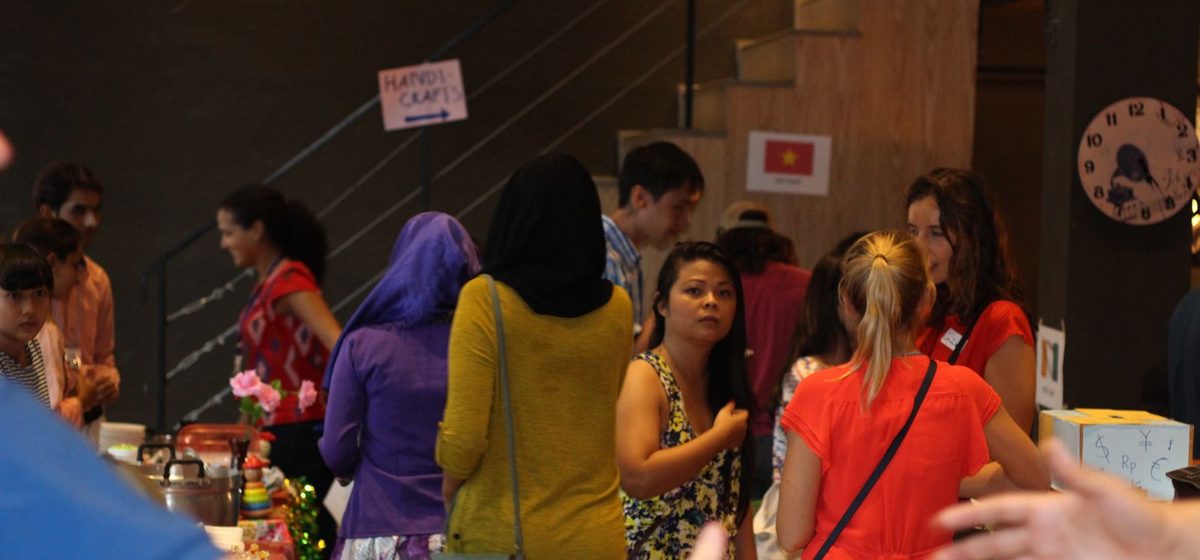
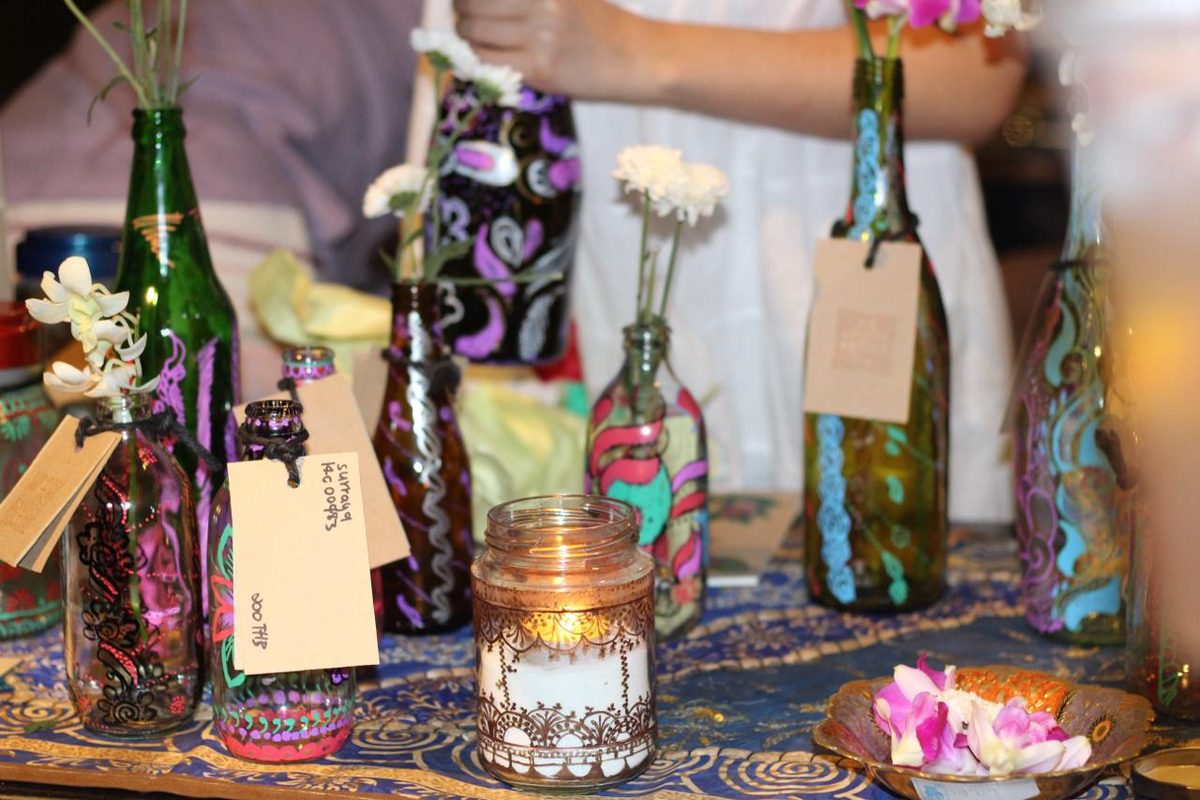
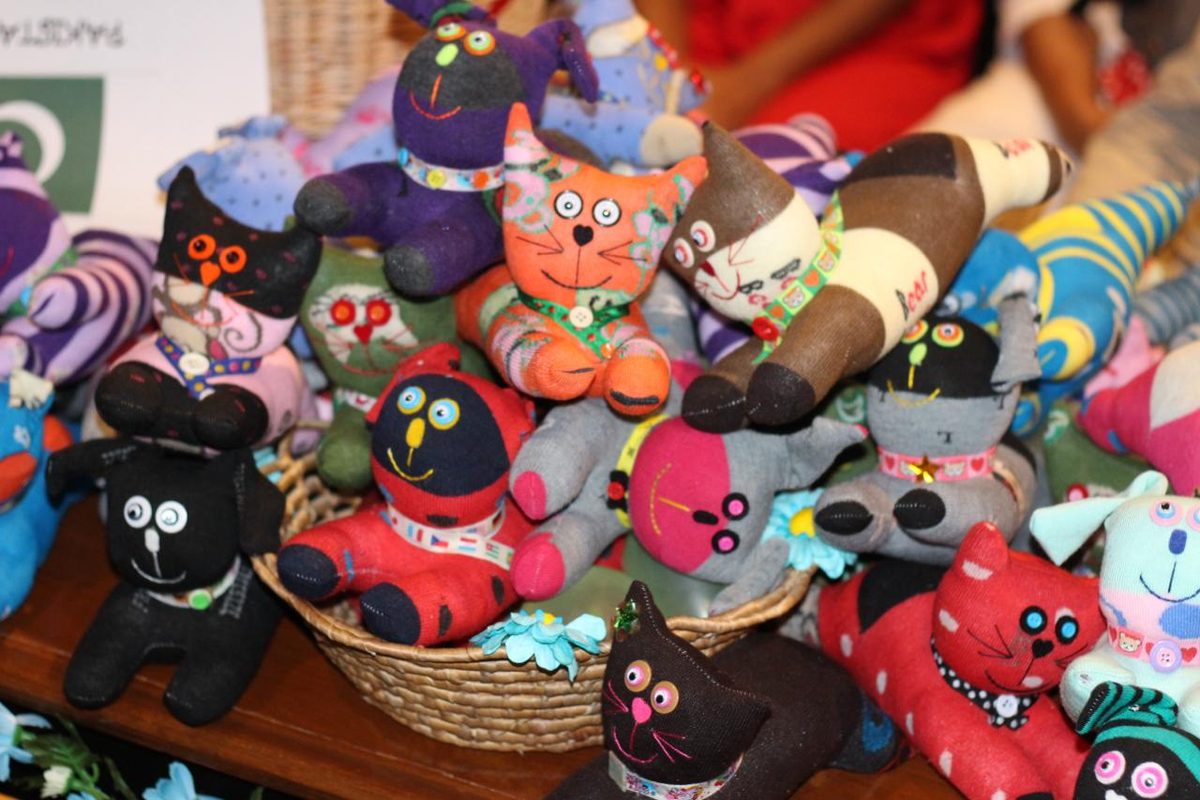
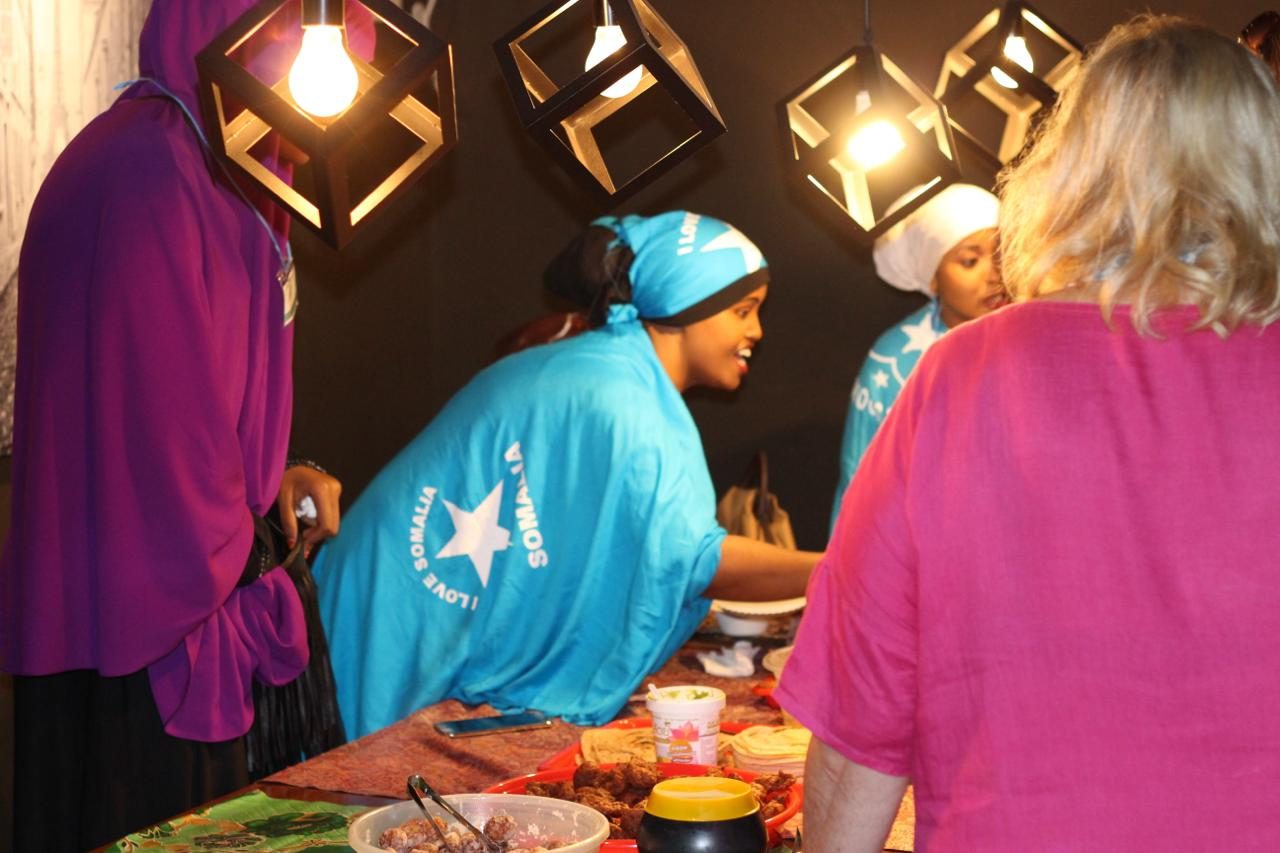
The Bazaar brought together refugee communities from a wide range of national and cultural backgrounds to prepare and sell traditional food, handicrafts and other locally made products.
The event combined community engagement, stakeholder coordination and practical event delivery. Participating groups were supported in preparing their stalls and activities, while partner organisations worked collaboratively to create an inclusive environment where members of Bangkok's international community could engage directly with refugee communities.
The emphasis was on participation, visibility and dignity — creating a space in which refugees could represent themselves through their cultures, skills and enterprise.
Results
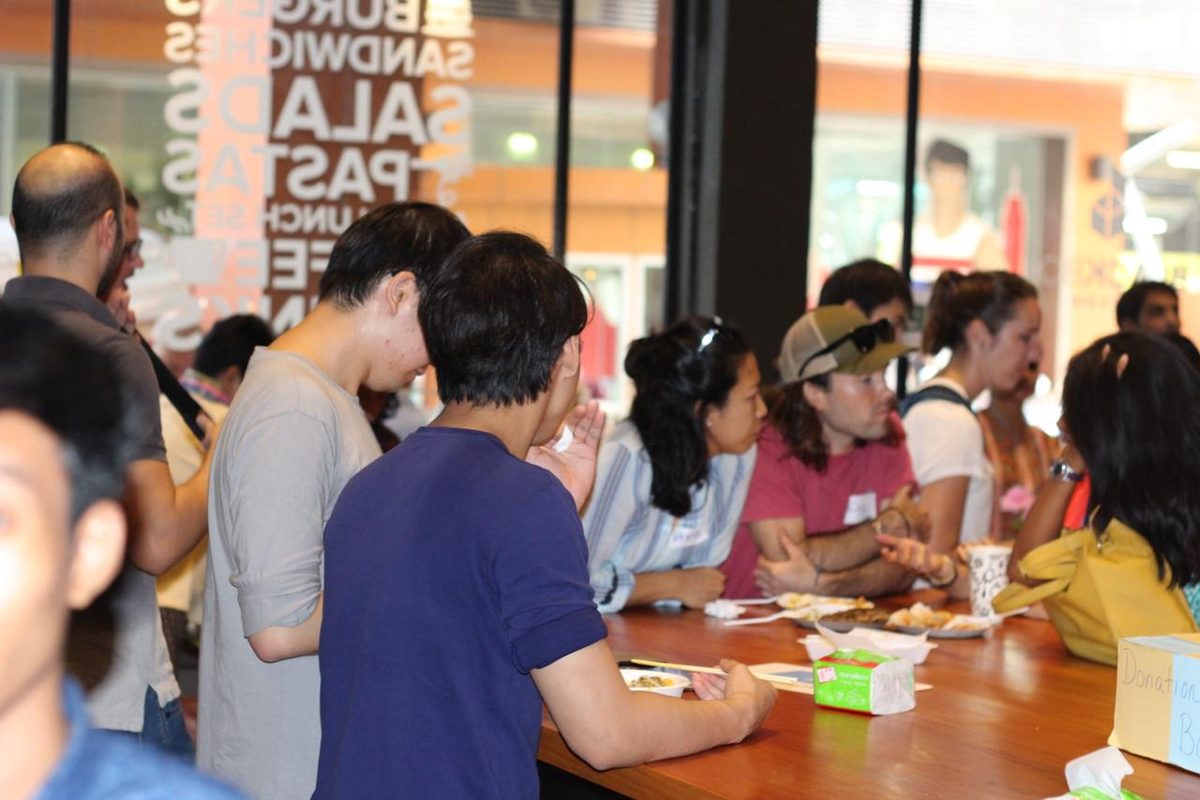
The Intercultural Bazaar attracted 200+ participants and brought together people representing 20+ nationalities, creating a highly diverse community event in central Bangkok.
Beyond attendance, the Bazaar gave participating refugee communities an opportunity to generate income, promote their products and cultures, build connections and engage directly with members of the wider community.
For me, the project demonstrated the value of combining structured project coordination with community-led delivery. It required balancing the needs of multiple organisations and participant groups while ensuring that the people the initiative was intended to support remained at the centre of decision-making.
Key outcomes
- 200+ participants
- 20+ nationalities represented
- Multiple NGO and community partners coordinated
- Refugee-led food, craft and cultural activities delivered